
Platy Fish: The Comprehensive Care Guide
-

- by Daniel Smith
- on
- last updated
- 1 Comments

Contents
- 1Platy Fish Care: The Ultimate Beginner's Guide
- 2Quick Platy Fish Facts & Overview
- 3What Exactly Are Platy Fish? - An Introduction for Beginners
- 4Understanding Platy Fish: Appearance, Behaviour, and Varieties
- 4.1Natural Habitat: Where Do Platy Fish Come From?
- 4.2Size and Lifespan: How Big and Long Do Platy Fish Live?
- 4.3Colourful Varieties: Exploring Platy Fish Colours, Patterns, and Sex Differences
- 4.4Peaceful and Active: Understanding Typical Platy Fish Behaviour
- 4.5Explore the Rainbow: Different and Popular Types of Platy Fish
- 5Setting Up the Perfect Platy Fish Tank: Habitat and Essentials
- 5.1Tank Size and Ideal Habitat for Happy Platy Fish
- 5.2Water Parameters and Lighting: Creating the Ideal Conditions for Platy Fish
- 5.3Best Plants and Decorations for a Platy Fish Aquarium
- 6Expert Platy Fish Care: Diet, Tank Mates, and Health
- 6.1Feeding Your Platies: Diet and Best Practices
- 6.2Choosing the Right Tank Mates for Platy Fish: Compatibility Guide
- 6.3Tank Mates to Avoid: Fish That Are Not Compatible with Platy Fish
- 6.4Platy Fish Diseases and Health Concerns: Prevention and Treatment
- 7Breeding Platy Fish: A Beginner's Guide to Raising Platy Fry
- 7.11. Prepare the Breeding Environment:
- 7.22. Select Healthy Breeding Fish:
- 7.33. Condition the Breeding Fish:
- 7.44. Monitor for Mating Behaviour:
- 7.55. Identify Pregnancy:
- 7.66. Prepare for Birth:
- 7.77. Birth and Fry Survival:
- 7.88. Post-Birth Care of the Mother:
- 7.99. Fry Care and Grow-Out:
- 8Are Platy Fish Right for Your Aquarium? - Benefits and Drawbacks
- 9Platy Fish Care FAQs: Your Questions Answered!
- 9.1How long do Platy Fish live?
- 9.2Do Platy Fish need a heater?
- 9.3Can Platy Fish live with other fish in a community tank?
- 9.4How many Platies should I keep together?
- 9.5Why is my Platy Fish sitting at the bottom of the tank and acting lethargic?
- 9.6How often do Platy Fish have babies?
- 9.7Further Reading on Platy Fish and Aquarium Care
Platy fish, hailing from Central America, are a popular choice. Owing to their bright colours and peaceful temperament. These freshwater species are quite undemanding and are perfect for novices venturing into the world of aquariums. With a lifespan that spans around 3 to 5 years and an adult size of about 5 to 7.5 cm, these fascinating creatures bring vivacity to any tank.
Platies come in an array of vibrant colours and intriguing patterns, which include unique varieties such as the Mickey Mouse and Sunburst Platy. Known for their ease of care and active behaviour, platy fish are not just an aesthetic addition, but also a joy to watch and care for. Immerse yourself in this guide to understand more about their care, habitat, diet, breeding, and health considerations.
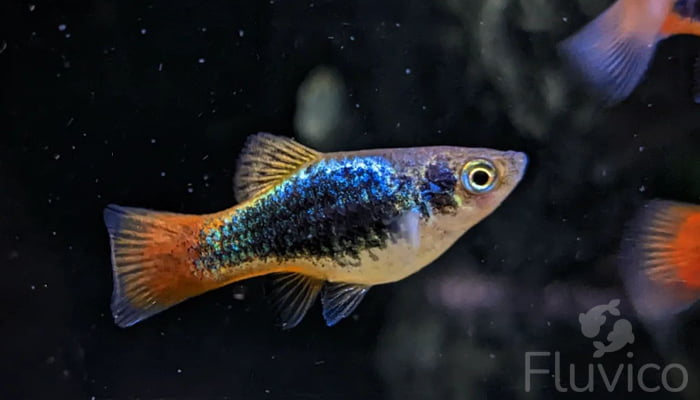
Platy Fish Care: The Ultimate Beginner's Guide
Ready to add a splash of colour and personality to your home aquarium? Look no further than the delightful Platy Fish! These vibrant, peaceful, and easy-to-care-for freshwater fish are an ideal choice for beginner aquarists. This comprehensive guide will walk you through everything you need to know about **Platy Fish Care**, ensuring your platies thrive and bring joy to your aquatic world. Learn about their fascinating facts, ideal habitat setup, feeding, breeding, and much more. Get ready to become a Platy Fish expert!
Quick Platy Fish Facts & Overview
| Platy Fish Fact | Details |
| Scientific Name: | Xiphophorus maculatus |
| Care Level: | Easy - Perfect for Beginners |
| Native Region: | Central and North America |
| Lifespan: | 3–5 years in optimal conditions |
| Size: | Up to 5 to 7.5 centimetres (2-3 inches) |
| Family: | Poeciliidae |
| Diet: | Omnivore - Accepts a variety of foods |
| Minimum Tank Size: | 40 litres (10 gallons) for a small group |
| Compatibility: | Peaceful community fish |
What Exactly Are Platy Fish? - An Introduction for Beginners
Platy fish are captivating small, tropical freshwater fish originally from Mexico and Central America. Belonging to the Poeciliidae family, they are celebrated for their striking, eye-catching colours and diverse patterns. What truly distinguishes **Platy Fish** is their livebearing nature. Unlike many fish that lay eggs, Platy Fish give birth to fully developed, free-swimming baby fish, known as fry.
This incredible livebearer trait allows aquarium enthusiasts to witness the amazing cycle of life and fish development firsthand in their own tanks. Adding to their unique nature, Platy Fish can also exhibit parthenogenesis, a rare reproductive strategy where females can produce offspring even without male fertilization. This unusual phenomenon makes Platy Fish a fascinating subject in the world of fish biology, or ichthyology, and adds to their allure as aquarium inhabitants.
This beginner-friendly guide will equip you with all the essential knowledge for successful **Platy Fish Care**.
Understanding Platy Fish: Appearance, Behaviour, and Varieties
Natural Habitat: Where Do Platy Fish Come From?
Platy fish originate from the freshwater environments of Central and North America, specifically the eastern coast of Mexico. Their natural habitat includes slow-moving waters such as marshes, ditches, and canals. Due to their immense popularity in the aquarium trade, Platy Fish have been introduced to various regions worldwide.
While you can now find Platy Fish in the wild in many countries, often due to escapes or releases from pet keeping, it's vital to remember that such introductions can harm local ecosystems. These non-native populations can disrupt native species and habitats, highlighting the importance of responsible pet ownership and preventing releases into the wild.
Size and Lifespan: How Big and Long Do Platy Fish Live?
The typical adult Platy Fish size (Xiphophorus maculatus) is between 5 to 7.5 centimetres (2 to 3 inches), making them perfectly sized for most home aquariums. Males are usually smaller and more slender than females, while females tend to have a rounder, fuller body shape, especially when pregnant. Regarding lifespan, Platy Fish generally live for about 3 to 5 years when kept in optimal aquarium conditions.
Several factors can influence their longevity, including the quality of their diet, water parameters, stress levels, and the presence of diseases or parasites. Providing a balanced and nutritious diet, maintaining pristine water quality through regular water changes, minimizing stress, and promptly addressing any signs of illness are key to ensuring your Platy Fish enjoy a long and healthy life. Proper **Platy Fish Care** is essential for maximizing their lifespan.
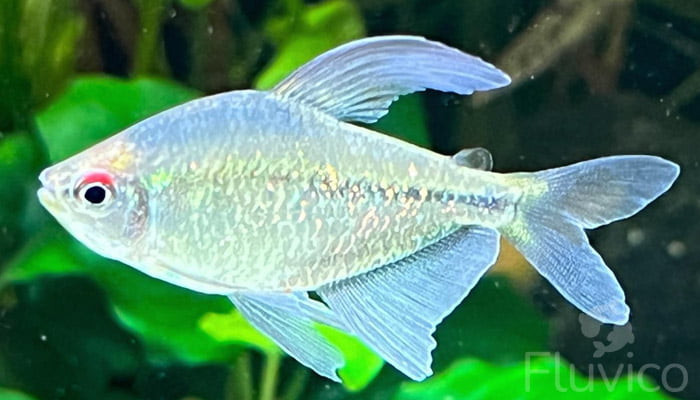
Colourful Varieties: Exploring Platy Fish Colours, Patterns, and Sex Differences
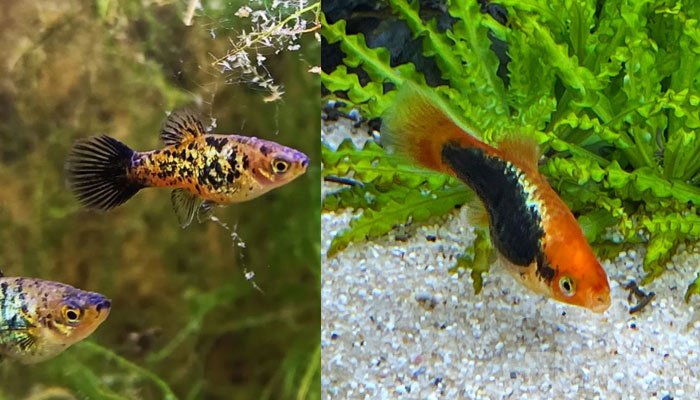
Platy fish are truly a visual delight, renowned for their dazzling array of colours and captivating patterns. They are available in a spectrum of vibrant colours, including fiery reds, sunny oranges, cool blues, and even shimmering greens. Some Platy Fish boast a single, solid colour, while others exhibit fascinating combinations and patterns.
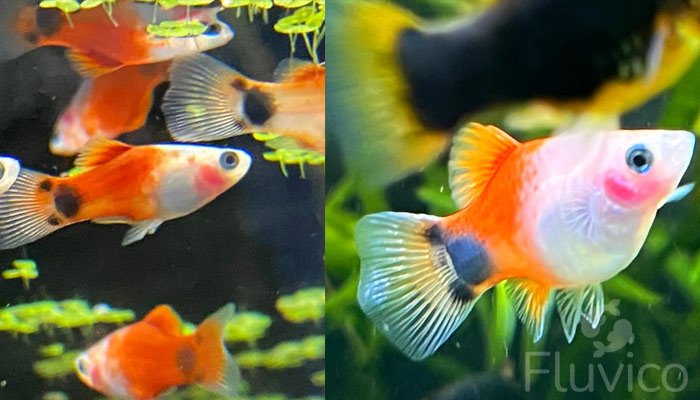
The patterns on Platy Fish are just as diverse and exciting. You can find platies with a speckled 'salt and pepper' appearance, elegant 'tuxedo' patterns featuring contrasting colours on their upper and lower bodies, and the ever-popular 'Mickey Mouse' Platy, instantly recognizable by the charming Mickey Mouse silhouette marking on its tail. In terms of finnage, Platy Fish possess two dorsal fins, an anal fin, a caudal fin (tail fin), and two pectoral fins.
The dorsal fins can sometimes be more elongated, particularly in male Platy Fish. To distinguish between sexes (sexual dimorphism), male platies are typically smaller and more streamlined than females. Males also have a pointed anal fin called a gonopodium, which is their reproductive organ. Females are larger, rounder in body shape (especially when pregnant or gravid), and have a fan-shaped anal fin. These differences become more pronounced as the Platy Fish mature.
Peaceful and Active: Understanding Typical Platy Fish Behaviour
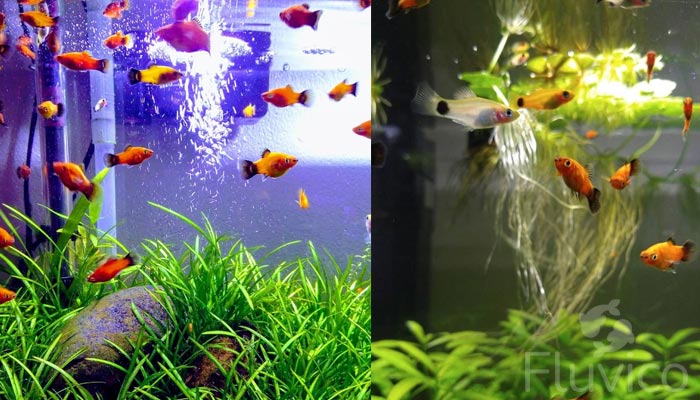
Platy fish are celebrated for their lively and peaceful nature. They are active swimmers, typically occupying the middle to upper levels of the aquarium. Being highly social creatures, Platy Fish thrive when kept in small groups, where you can often observe them engaging in playful chases and interactions within the tank. Keeping a group of Platy Fish is not only more natural for them but also enhances their visual appeal in your aquarium.
It's worth noting that male Platy Fish may sometimes display what appears to be aggressive behaviour towards females. This is usually related to mating rituals and courtship rather than true aggression. However, to minimize stress on females, it's advisable to maintain a higher ratio of females to males in your Platy Fish community. Platy Fish are generally non-aggressive towards other fish species and are known to coexist peacefully with other gentle fish of similar size, making them excellent community tank inhabitants.
If a Platy Fish exhibits signs of aggression or distress, it could indicate unsuitable tank conditions, insufficient food, illness, or the presence of larger, more assertive fish in the aquarium. Regular observation and maintaining optimal conditions are crucial for happy and healthy Platy Fish.
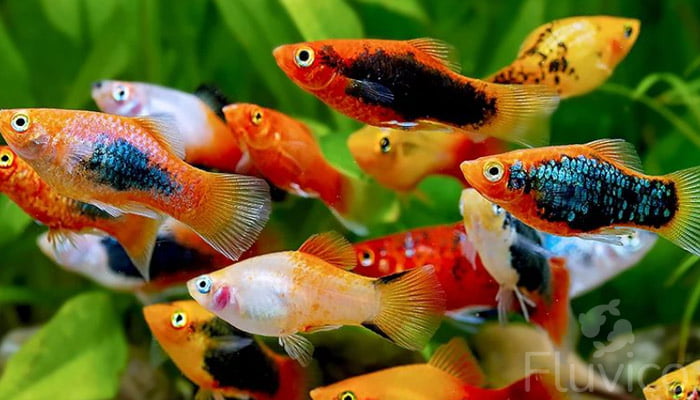
Explore the Rainbow: Different and Popular Types of Platy Fish
Platy fish boast an impressive variety of types, each distinguished by their unique and captivating colours and patterns. Some of the most beloved and popular Platy Fish types amongst aquarium keepers include:
- Mickey Mouse Platy: Instantly recognizable by the charming Mickey Mouse-shaped marking on their tail, these platies are usually yellow or red, adding a touch of Disney magic to your tank.
- Red Wag Platy: The Red Wag platy is predominantly a vibrant red colour, strikingly contrasted by its black tail and black dorsal fin. This bold colour combination makes them a favourite choice for adding a pop of red to aquariums.
- Sunburst Platy: Also known as the Southern Platy fish, the Sunburst variety typically displays a warm yellow or orange body, sometimes accented with black markings, reminiscent of a vibrant sunburst.
- Green Lantern Platy: This unique variety showcases a beautiful green hue that shimmers and glows under aquarium lighting, adding an ethereal touch to your underwater world.
- Dalmatian Platy: As their name suggests, Dalmatian platies feature a light-coloured body speckled with black spots, mirroring the distinctive coat of a Dalmatian dog.
- Blue Wag Platy: Blue Wag platies present a striking aesthetic with their vibrant blue body contrasted by a black tail, offering a cool and captivating colour combination.
These represent just a glimpse into the vast array of Platy Fish variants available. With such a rich palette of colours and patterns, Platy Fish provide an amazing opportunity to inject a burst of colour and personality into your freshwater aquarium.
Setting Up the Perfect Platy Fish Tank: Habitat and Essentials
Tank Size and Ideal Habitat for Happy Platy Fish
Platy fish are adaptable and can tolerate a range of water conditions. However, to truly help them thrive and display their best colours and behaviour, replicating their natural habitat as closely as possible is key. Consider these elements for the ideal **Platy Fish** environment:
- Tank Size: For a small group of Platy Fish (3-5 individuals), a 10-gallon tank is the absolute minimum. However, a 20-gallon tank or larger is highly recommended to provide ample swimming space and better water stability, especially if you plan to keep them with tank mates. For every additional Platy Fish, add at least two more gallons to the tank volume. More space is always better for happy and healthy fish!
- Substrate: Mimic their natural riverbed habitat with a soft substrate like sand or fine gravel. This is gentle on their delicate barbels and encourages natural foraging behaviours. Darker substrates can also enhance their vibrant colours.
- Plants: Incorporate live aquatic plants generously. Plants not only beautify the tank but also offer essential hiding places for Platy Fish, especially fry, and contribute to a healthier aquarium environment by naturally absorbing excess nitrates and oxygenating the water. Hardy plants like java moss, java fern, anubias, and hornwort are excellent, low-maintenance choices for a **Platy Fish** tank.
- Hiding Spots: Supplement live plants with additional hiding places like caves, smooth rocks, or driftwood. These create secure retreats, reducing stress and making your Platy Fish feel more comfortable and safe in their environment.
- Lighting: Platy Fish thrive under moderate lighting. Excessively bright light can stress them, while too dim lighting might not showcase their brilliant colours effectively. Aim for a balanced lighting level that also supports plant growth if you have live plants.
- Water Movement: Replicate their natural slow-moving water habitats by ensuring gentle water flow in the tank. Strong currents are unnecessary and can actually stress Platy Fish. An adjustable filter can help you achieve the ideal gentle flow.
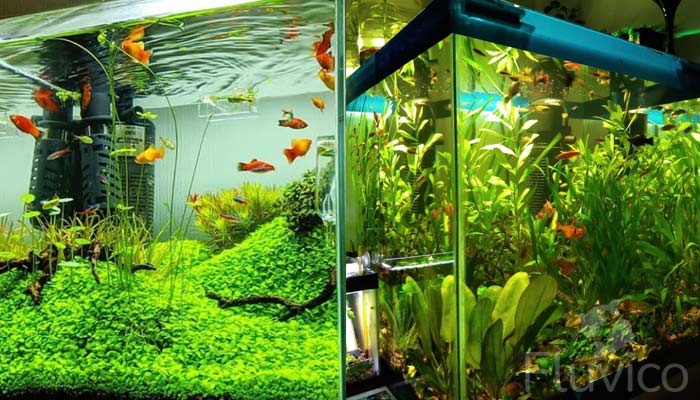
Water Parameters and Lighting: Creating the Ideal Conditions for Platy Fish
Maintaining the correct water parameters and lighting is absolutely crucial for the long-term health and vibrancy of your Platy Fish. Strive to keep these conditions stable and within the optimal ranges:
- Temperature: Platy fish are tropical fish and prefer warm water, ideally between 21 to 27 degrees Celsius (70 to 80 degrees Fahrenheit). A reliable aquarium heater and a thermometer are essential tools for accurately maintaining and consistently monitoring the water temperature.
- pH Level: Platies flourish in slightly alkaline water conditions. Aim for a pH level between 7.0 and 8.0. Regular testing with a reliable pH test kit is recommended to ensure stability.
- Hardness: Water hardness is also important for Platy Fish. A general hardness level (GH) between 10 to 28 dGH (degrees of General Hardness) is suitable. You can use a GH test kit to measure and adjust hardness if needed.
- Ammonia, Nitrite, Nitrate: These are critical water quality parameters. Ammonia and nitrite levels should always be at zero, as they are toxic to fish. Nitrate levels should be kept as low as possible, ideally below 20ppm (parts per million). Regular partial water changes (25-50% weekly) and a good quality filtration system are vital for maintaining these levels and ensuring a healthy environment. Invest in a reliable test kit to monitor these parameters regularly.
- Lighting: Moderate lighting conditions are best for Platy Fish. Avoid overly intense lighting, which can stress them and promote excessive algae growth. If you have live plants in your aquarium, ensure the lighting is sufficient for their photosynthesis needs, but not so strong that it overwhelms your platies or encourages algae blooms. A timer for your aquarium lights ensures a consistent day/night cycle, which is beneficial for fish health.
Regularly testing your aquarium's water parameters – temperature, pH, hardness, ammonia, nitrite, and nitrate – is absolutely crucial for the early detection and prevention of potential health problems in your Platy Fish. Consistent monitoring allows you to make timely adjustments and maintain a stable, healthy environment. Providing suitable lighting not only enhances the vibrant colours of your Platy Fish but also contributes to a healthier and more active lifestyle for them.
Best Plants and Decorations for a Platy Fish Aquarium
Creating a visually appealing and enriching environment for your Platy Fish involves selecting appropriate aquatic plants and decorations that mimic their natural habitat and provide them with security and comfort. Here are some excellent recommendations for **Platy Fish** aquariums:
Aquatic Plants:
- Java Moss: This incredibly low-maintenance plant thrives in a wide range of water conditions and lighting, making it perfect for beginners. Java moss provides excellent hiding spots for Platy Fish fry and adds a natural, lush green carpet to your tank. It can be attached to driftwood or rocks for added visual appeal.
- Java Fern: Another hardy and easy-to-care-for plant, Java Fern is ideal for beginner aquarists. Its broad, textured leaves offer excellent shelter and resting spots for Platy Fish. Like Java Moss, it can be attached to decorations rather than planted in the substrate.
- Anubias: These slow-growing, highly durable plants are incredibly resilient and don't require intense lighting, making them a perfect fit for most **Platy Fish** tanks. Platies are unlikely to nibble on their tough leaves, and Anubias plants add a beautiful, dark green contrast to the aquarium. They also thrive when attached to rocks or driftwood.
- Water Sprite: This versatile plant can be planted in the substrate or left to float freely at the surface. Water Sprite grows relatively quickly and provides excellent cover, especially for fry and timid Platy Fish. It also helps to absorb excess nutrients, improving water quality.
- Hornwort: A very hardy and fast-growing plant, Hornwort can tolerate a wide range of conditions, making it a forgiving choice for beginners. It provides dense cover and numerous breeding sites, beneficial for Platy Fish. It can be floated or planted.
Decorations:
- Smooth Rocks: Select smooth, river-style rocks to create natural-looking aquascapes and provide territorial boundaries and hiding places. Ensure rocks are smooth and free of sharp edges to prevent injuries to your Platy Fish.
- Aquarium Caves: You can purchase ready-made aquarium caves or create your own using aquarium-safe materials. Caves offer secure refuges where Platy Fish can retreat when feeling stressed or simply want a quiet space. They also add visual interest and depth to the tank.
- Driftwood: Driftwood not only enhances the aesthetic appeal of your aquarium but also helps to mimic the natural habitat of Platy Fish. Choose driftwood that has been properly treated and is aquarium-safe. Boiling or soaking driftwood before adding it to the tank is recommended to remove tannins and ensure it sinks properly.
- Aquarium Ornaments: Personalize your tank with a variety of aquarium-safe ornaments to reflect your style. However, always prioritize functionality and safety. Ensure ornaments are smooth, non-toxic, and don't have any sharp edges or small openings where fish could get trapped.
When arranging plants and decorations, remember to create a balance between providing ample hiding places and maintaining open swimming space for your active Platy Fish. Regular cleaning of plants and decorations is also essential to prevent the buildup of algae and harmful bacteria, contributing to a healthy and beautiful **Platy Fish** aquarium.
Expert Platy Fish Care: Diet, Tank Mates, and Health
Feeding Your Platies: Diet and Best Practices
Platy fish are omnivores with a healthy appetite, readily accepting a variety of foods. Understanding their dietary needs is crucial for their health and vibrant colours. Here's a guide to the ideal **Platy Fish** diet and feeding practices:
- High-Quality Flake Food: High-quality flake food formulated for tropical fish should form the foundation of your Platy Fish diet. Choose a reputable brand that lists fish meal or other quality protein sources as primary ingredients. Flake food provides essential vitamins, minerals, and nutrients in an easily digestible form.
- Live or Frozen Foods: To supplement their flake food diet and provide essential protein and enrichment, offer live or frozen foods several times a week. Excellent options include brine shrimp, daphnia, bloodworms, and mosquito larvae. These natural foods stimulate their hunting instincts and contribute to optimal health and vibrant colours. Frozen foods should be thawed before feeding.
- Blanched Vegetables: Don't forget the plant-based component of their omnivorous diet! Offer blanched (briefly boiled to soften) vegetables like spinach, zucchini, peas (shelled), or lettuce a couple of times a week. These provide essential vitamins, fiber, and help maintain healthy digestion. Ensure vegetables are thoroughly washed and cut into small, manageable pieces.
- Feeding Schedule: Feed your Platy Fish small portions of food 2-3 times per day, rather than one large feeding. Only offer an amount of food that they can completely consume within about 2-3 minutes. This prevents overfeeding, which is a common cause of poor water quality and health problems in aquariums.
- Variety is Key: A varied diet is absolutely essential for the long-term health and well-being of your Platy Fish. Regularly alternating between different types of food – flake food, live/frozen foods, and vegetables – not only ensures they receive a broad spectrum of necessary nutrients but also keeps them interested and engaged during feeding time. A varied diet contributes to stronger immunity, better colouration, and overall vitality.
Beginner Tip: Observe your Platy Fish during feeding. If you notice uneaten food accumulating at the bottom of the tank after a few minutes, you are likely overfeeding. Reduce the portion sizes at the next feeding. Overfeeding is a common mistake for beginners and can quickly lead to water quality issues.
Pro Tip: Consider gut-loading live foods before feeding them to your Platy Fish. Gut-loading involves feeding nutritious food to the live food (like brine shrimp) before offering them to your fish. This further enhances the nutritional value of the live food and provides extra vitamins and minerals to your platies.
Choosing the Right Tank Mates for Platy Fish: Compatibility Guide
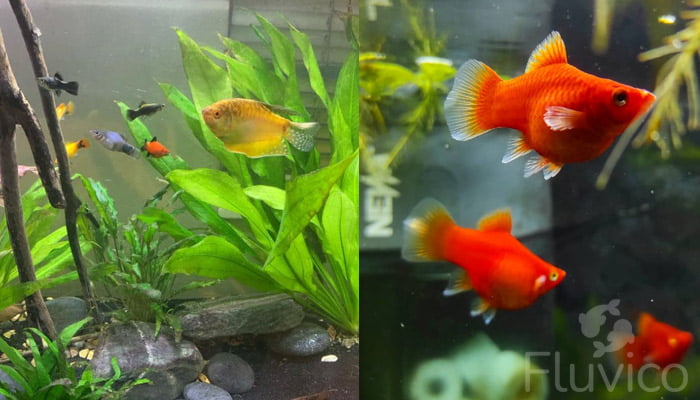
Platy fish are renowned for their peaceful and sociable temperament, making them excellent community fish. They thrive in tanks with other non-aggressive fish species of similar size and water parameter requirements. Here are some highly suitable tank mates for Platy Fish:
- Other Livebearers: Guppies, Mollies, and Swordtails are natural companions for Platy Fish. They share similar peaceful dispositions, water parameter needs, and active swimming habits. Keeping livebearers together often creates a dynamic and visually appealing community tank.
- Tetras: Many Tetra species, known for their peaceful nature and schooling behaviour, make wonderful tank mates. Consider Neon Tetras, Cardinal Tetras, Rummy Nose Tetras, or Black Skirt Tetras. Their vibrant colours and active schooling add another layer of beauty to a Platy Fish tank.
- Corydoras Catfish: These charming bottom-dwelling catfish are incredibly peaceful and beneficial additions to any community tank. Corydoras Catfish occupy a different area of the tank than Platy Fish, helping to keep the substrate clean by scavenging for leftover food. They are also very hardy and easy to care for.
- Small Characins: Explore other small, peaceful Characins like Lemon Tetras or Black Phantom Tetras. These species generally coexist harmoniously with Platy Fish and add further diversity to the tank.
- Small Rasboras: Rasboras, such as Harlequin Rasboras or Chili Rasboras, are small, peaceful, and colourful schooling fish that are compatible with Platy Fish. They add movement and visual interest to the mid-levels of the aquarium.
- Dwarf Gouramis: These peaceful and elegant Gouramis primarily inhabit the upper levels of the tank, leaving the mid and lower levels for Platy Fish and other tank mates. Dwarf Gouramis add a touch of grace and unique behaviour to the community tank. Choose peaceful varieties like Honey Gouramis or Powder Blue Gouramis.
Tank Mates to Avoid: Fish That Are Not Compatible with Platy Fish
While Platy Fish are generally peaceful and adaptable, certain types of fish are not suitable tank mates due to differences in temperament, size, or environmental needs. Avoid these incompatible species to ensure a harmonious community tank and prevent stress or harm to your Platy Fish:
- Large and Aggressive Cichlids: Large Cichlids like Oscars, Jack Dempseys, or Convict Cichlids are highly territorial and aggressive. They may view Platy Fish as a food source due to their size difference and will likely bully or even eat them. These fish are definitely not compatible with peaceful Platy Fish.
- Predatory Species: Larger predatory fish such as Arowanas, Pufferfish (especially larger species), or Snakehead fish should absolutely not be kept with Platy Fish. These predators will readily hunt and consume smaller fish like platies.
- Territorial and Bullying Species: Avoid highly territorial fish like Red-Tailed Sharks, most types of Sharks (except perhaps very peaceful small species), or aggressive Barbs. These fish can become bullies and constantly harass the peaceful Platy Fish, causing significant stress and potentially injury.
- Fin-Nipping Species: Certain species known for fin-nipping behaviour, such as Tiger Barbs, Serpae Tetras, or Rosy Barbs, can damage the delicate fins of Platy Fish, leading to stress and secondary infections. It's best to avoid these potentially nippy tank mates.
- Cold Water Fish: Species that require significantly colder water temperatures, such as Goldfish or White Cloud Mountain Minnows, are not compatible with tropical Platy Fish. Their different temperature requirements make it impossible to create a suitable environment for both.
Beginner Tip: When in doubt about tank mate compatibility, always research the specific needs and temperament of any fish species you are considering adding to your Platy Fish tank. Online resources, fish store experts, and aquarium communities are valuable sources of information. It's always better to err on the side of caution and choose peaceful, compatible tank mates.
Overcrowding can also contribute to stress and disease, regardless of tank mate choices. Ensure your aquarium is appropriately sized for the number and types of fish you keep. Always closely monitor your tank for any signs of aggression, bullying, or distress among your fish, and be prepared to separate incompatible individuals if necessary to maintain a peaceful and healthy aquarium environment.
Platy Fish Diseases and Health Concerns: Prevention and Treatment
Like all aquarium fish, Platy Fish can be susceptible to various diseases and health issues, especially if water quality is poor or they are stressed. Understanding common Platy Fish diseases and knowing how to prevent and treat them is crucial for responsible **Platy Fish Care**. Here are some of the most common diseases and health concerns to be aware of:
- Ich (White Spot Disease): Ich is a common parasitic infection easily recognized by the appearance of tiny white spots resembling salt grains sprinkled on the fish's body and fins. Infected Platy Fish may also exhibit symptoms of irritation, such as flashing (rubbing against tank decorations), clamped fins, and rapid breathing. Ich is highly contagious but treatable if caught early.
- Fin Rot: Fin rot is a bacterial infection that causes the edges of the fish's fins to appear frayed, torn, ragged, and sometimes discoloured (white, black, or red). It's often triggered by poor water conditions, injuries to fins, or stress weakening the fish's immune system. Prompt treatment and improved water quality are essential to stop fin rot from progressing.
- Velvet Disease: Velvet is another parasitic infection, often caused by *Oodinium* parasites. It manifests as a dusty, gold-to-rust coloured coating on the fish's body, giving them a "velvety" appearance. Symptoms also include laboured breathing, lethargy, loss of appetite, and clamped fins. Velvet is highly contagious and can be fatal if treatment is delayed.
- Fungal Infections: Fungal infections usually appear as fluffy, cotton-wool-like white or grey patches on the fish's body, mouth, or fins. They often develop secondary to bacterial infections or injuries, particularly in fish with weakened immune systems due to poor water quality or stress.
- Swim Bladder Disease: Swim bladder disease is a condition that affects the fish's buoyancy, making it difficult for them to swim normally. Fish with swim bladder issues may struggle to maintain their position in the water, swimming at odd angles, floating uncontrollably at the surface, or sinking to the bottom. It can be caused by various factors including constipation (often diet-related), bacterial infections, parasites, or physical injury.
- Livebearer Disease (Bacterial Infections) and Pregnancy Complications: As livebearers, female Platy Fish can sometimes experience complications related to pregnancy and birthing, or become more susceptible to bacterial infections, especially if stressed or kept in poor water conditions. Dropsy (pinecone scales and bloating) can sometimes occur, often indicating internal organ failure due to bacterial infection.
Pro Tip: Prevention is always better than cure! Maintaining excellent aquarium hygiene through regular partial water changes, gravel vacuuming, and filter maintenance is the best way to prevent most Platy Fish diseases. A balanced, high-quality diet, minimizing stress, and promptly addressing any signs of illness are also key to keeping your platies healthy and thriving. Always quarantine any new fish in a separate tank for 2-3 weeks before introducing them to your main aquarium to prevent the introduction of diseases. If a fish does become ill, isolate it in a separate hospital tank for treatment to avoid medicating the entire main tank unnecessarily.
Breeding Platy Fish: A Beginner's Guide to Raising Platy Fry
Platy Fish are prolific breeders, and breeding them in a home aquarium is relatively easy, often happening without any intervention! However, if you want to intentionally breed Platy Fish and raise their fry (baby fish), here's a step-by-step beginner's guide:
1. Prepare the Breeding Environment:
2. Select Healthy Breeding Fish:
3. Condition the Breeding Fish:
4. Monitor for Mating Behaviour:
5. Identify Pregnancy:
6. Prepare for Birth:
7. Birth and Fry Survival:
8. Post-Birth Care of the Mother:
9. Fry Care and Grow-Out:
Are Platy Fish Right for Your Aquarium? - Benefits and Drawbacks
Deciding whether Platy Fish are the right addition to your aquarium depends on several factors, including your experience level as an aquarist, the size of your tank, and your commitment to providing proper care. Weighing the benefits and drawbacks will help you make an informed decision. Here's a summary of the advantages and disadvantages of keeping Platy Fish:
Benefits of Keeping Platy Fish:
- Beginner-Friendly Care: Platy Fish are remarkably hardy and adaptable to a wide range of water conditions, making them an excellent choice for novice aquarium keepers. Their resilience makes them more forgiving of beginner mistakes compared to more delicate fish species.
- Peaceful and Community-Oriented: They possess a peaceful and sociable temperament, thriving in community aquariums with other gentle, similarly sized, non-aggressive species. Their peaceful nature reduces the risk of bullying or aggression in a mixed-species tank.
- Visually Stunning and Diverse: Platy Fish come in an astonishing array of colours, patterns, and fin types. Their vibrant and varied appearances add significant visual interest, dynamism, and beauty to your aquarium, creating a captivating underwater display.
- Fascinating Livebearers: Witnessing Platy Fish give birth to live, free-swimming young is a truly fascinating and rewarding experience for aquarists of all levels. Breeding platies is relatively easy, offering a unique opportunity to observe the fish life cycle firsthand.
- Active and Entertaining to Watch: Platy Fish are active swimmers, constantly exploring their environment and interacting with each other. Their lively behaviour and playful antics provide endless entertainment and make them engaging aquarium inhabitants to observe.
Drawbacks of Keeping Platy Fish:
- Prolific Breeding Can Lead to Overpopulation: Platy Fish are extremely easy to breed and reproduce rapidly. If breeding is not managed, their populations can quickly explode, leading to overcrowding in your tank. This requires either separating sexes or having a plan to manage fry populations.
- Susceptibility to Common Fish Diseases: Like any aquarium fish, Platy Fish are susceptible to various diseases, especially under suboptimal water conditions or stress. Regular monitoring for signs of illness and proactive tank maintenance are essential to maintain their health and prevent disease outbreaks.
- Require a Varied Diet: While not overly demanding, Platy Fish are omnivores and thrive best on a varied diet that includes high-quality flake food, live/frozen foods, and plant-based matter. Providing this varied diet requires slightly more effort than simply feeding basic flake food alone.
- Potential Male Harassment of Females: Male Platy Fish can be quite persistent in their mating behaviour and may sometimes relentlessly pursue females, potentially causing stress if the female-to-male ratio is unbalanced. Maintaining a higher number of females than males helps to distribute the males' attention and reduce stress on individual females.
Expert Verdict: Overall, Platy Fish are an excellent choice for aquarium enthusiasts, particularly beginners, looking for colourful, peaceful, and relatively easy-to-care-for fish. Their benefits generally outweigh the drawbacks, especially with proper planning and responsible aquarium keeping practices. With basic **Platy Fish Care** knowledge and commitment, they can be a delightful and rewarding addition to your home aquarium.
Platy Fish Care FAQs: Your Questions Answered!
How long do Platy Fish live?
Do Platy Fish need a heater?
Can Platy Fish live with other fish in a community tank?
How many Platies should I keep together?
Why is my Platy Fish sitting at the bottom of the tank and acting lethargic?
How often do Platy Fish have babies?
Further Reading on Platy Fish and Aquarium Care

Daniel Smith
Daniel Smith is a passionate aquarium hobbyist specializing in freshwater fish, plants, and aquarium ecosystems. With years of experience, he offers valuable insights and practical tips to create harmonious and thriving underwater environments. Daniel's commitment to responsible fishkeeping and natural habitats shines through his engaging writing, empowering both beginners and seasoned enthusiasts. Join him on a captivating journey into the world of aquariums, where his expertise and passion inspire and enrich hobbyists across the world.


Thanks. Your comment was sent for approval.
Comment submission failed. Please check the form and try again.